


2 Aug’24, ON THIS DAY
Few subjects have moved artists as consistently as friendship. Long before greeting cards and friendship bands, painters were turning the bond between companions into some of the most tender images in art history.

From Renaissance allegories to Art Nouveau embraces, famous paintings of friends have captured everything that words struggle to hold — loyalty, laughter, comfort in hard times, and the quiet understanding that only true friends share. At Abir Pothi, we love how the theme keeps returning across centuries and styles.
Art about friendship isn’t a single genre; it appears in mythological scenes, café gatherings, intimate portraits and woodblock prints, each one reading the same emotion through a different cultural lens. Whether you’re looking for the perfect painting of friendship to share on Friendship Day, or you simply want to understand how great artists have honoured companionship, this collection of famous friendship paintings is a beautiful place to begin.
Friendship Day is a global holiday that celebrates the importance of loving, platonic relationships. It was first proposed in Paraguay in 1958 by Joyce Hall. The original date of celebration was 2 August, but it has since been moved to 7 August due to de-synchronization in the United States. Today at Abir pothi we celebrate friendship day by showcasing 11 most beautiful friendship day art:
A quick note on Friendship Day
Friendship Day is a global celebration of loving, platonic relationships. The idea was first floated in the United States in 1930 by Joyce Hall, the founder of Hallmark Cards, who suggested 2 August as a day to honour friends.
A separate and more enduring movement began in Paraguay: on 20 July 1958, Dr. Ramón Artemio Bracho proposed a World Friendship Day at a dinner with friends in Puerto Pinasco, giving rise to the World Friendship Crusade. Decades of campaigning followed, and in 2011 the United Nations General Assembly officially designated 30 July as the International Day of Friendship.
In India, the celebration is most popularly observed on the first Sunday of August. Whatever the date, the sentiment is the same — and few things express it as movingly as art.
Today, we celebrate by showcasing eleven of the most beautiful paintings about friendship ever made.
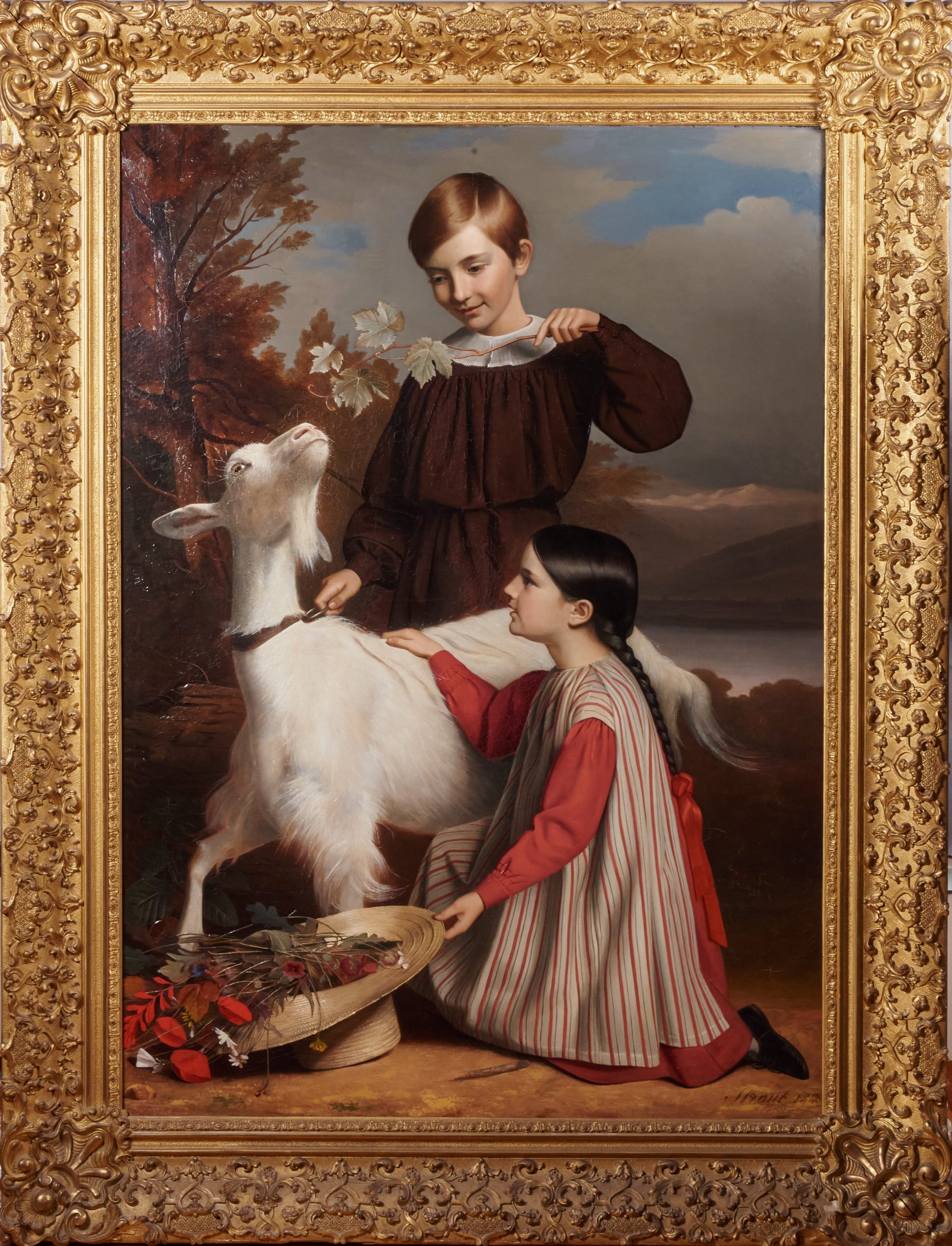
1. “The Three Friends” by Sebastian Straub
Sebastian Straub’s The Three Friends is built entirely around the theme of companionship. Three central figures anchor the composition, symbolising unity, loyalty and the mutual support that defines a strong friendship.
It’s a fitting piece to open any list of friends’ paintings: unfussy, warm, and focused wholly on the idea that we are steadier standing together than we are alone.
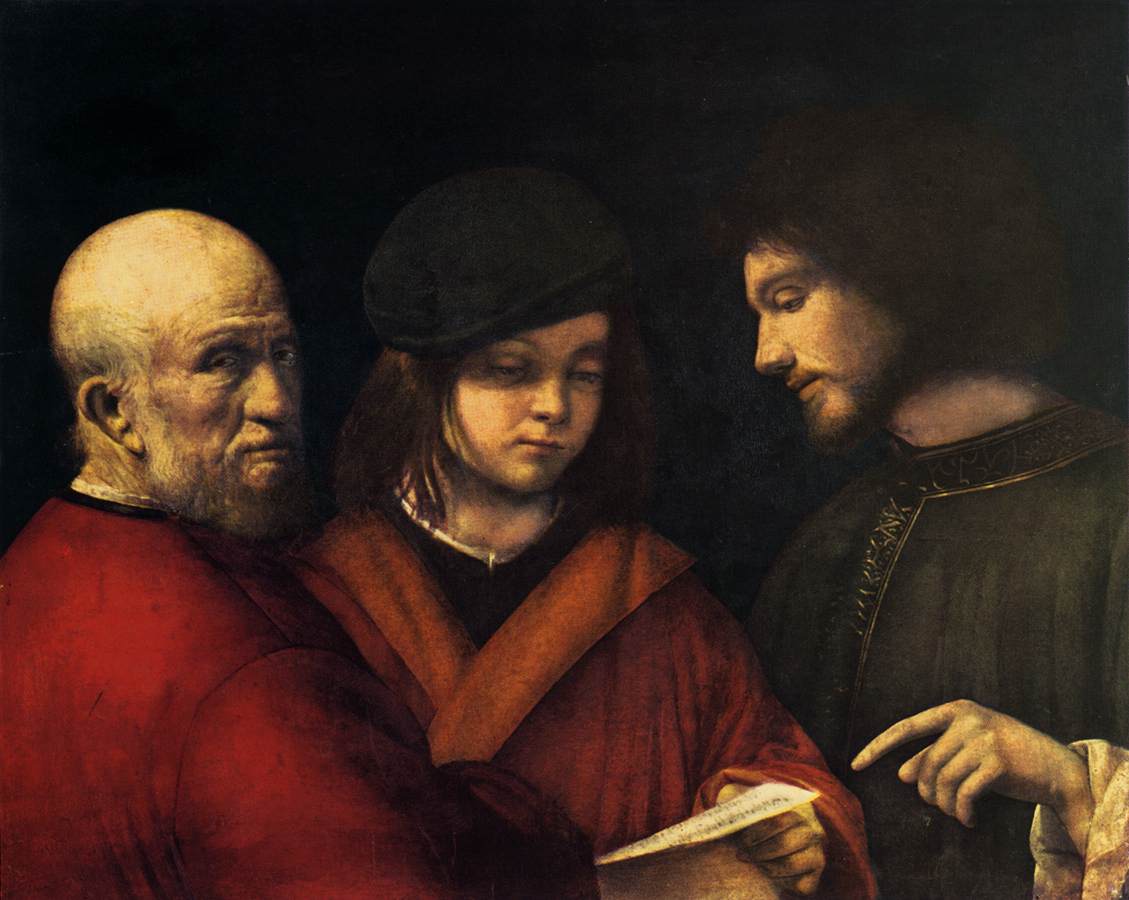
2. “The Three Ages of Man” by Giorgione
This Renaissance artwork portrays three generations—a young man, a middle-aged man, and an elderly man—representing the stages of life and the enduring companionship between them.
This Renaissance artwork portrays three generations — a young man, a middle-aged man and an elderly man — set close together to represent the stages of life and the enduring companionship that carries us through them.
Held in the Palazzo Pitti in Florence and traditionally attributed to the Venetian master Giorgione, the painting reminds us that friendship is not only a moment but a lifelong thread, passed between ages and held across time.
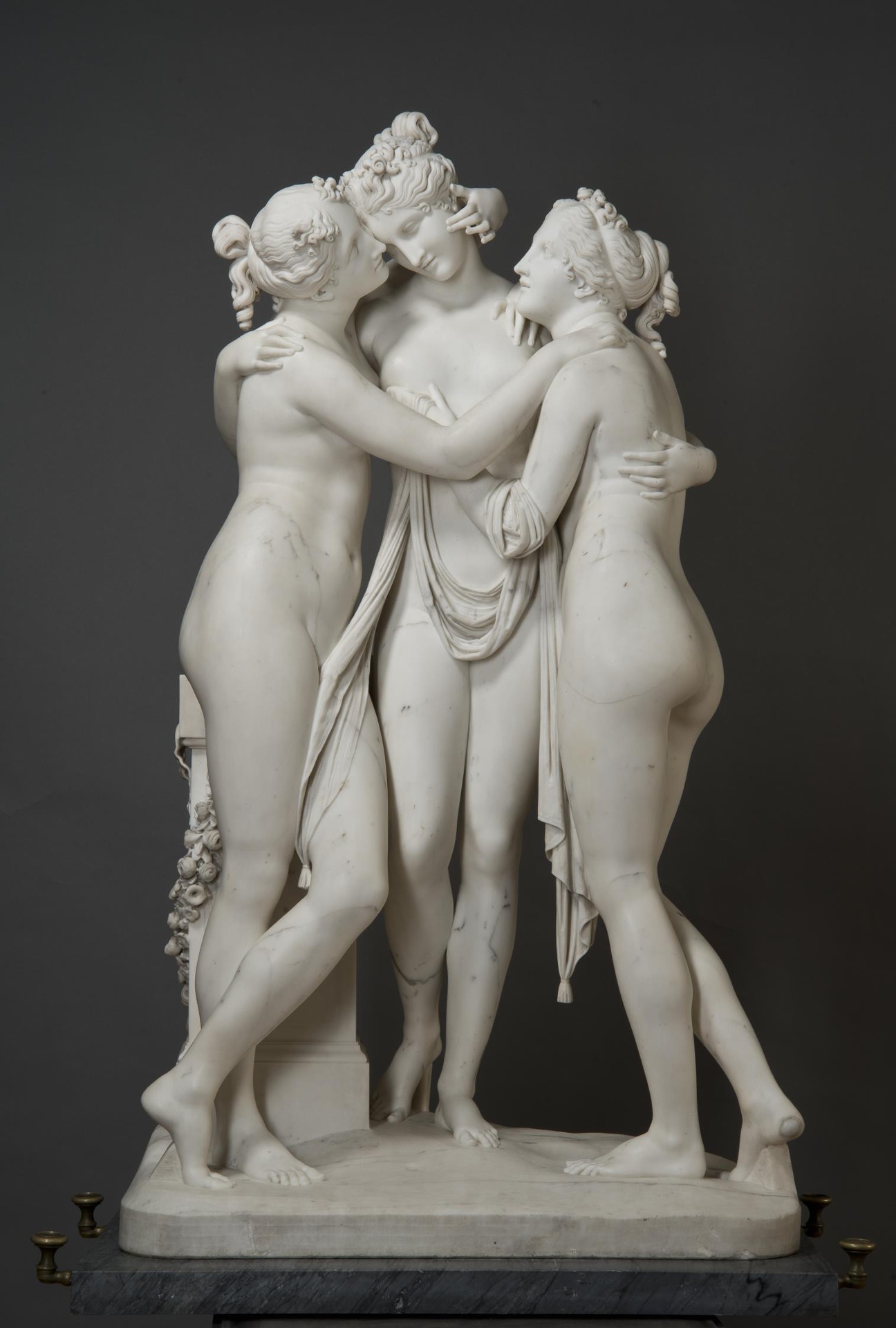
3. “The Three Graces” by Peter Paul Rubens:
This classic painting depicts three mythological goddesses, often interpreted as symbols of charm, beauty, and creativity, showcasing the elegance of companionship.
Painted around 1630–35 and now in the Prado in Madrid, Rubens’s The Three Graces depicts three mythological goddesses often read as symbols of charm, beauty and creativity. Beyond their classical meaning, the way the figures lean into one another — hands touching, bodies interlinked — makes this one of the most elegant paintings of friendship in the Western canon. It is companionship rendered as harmony itself.
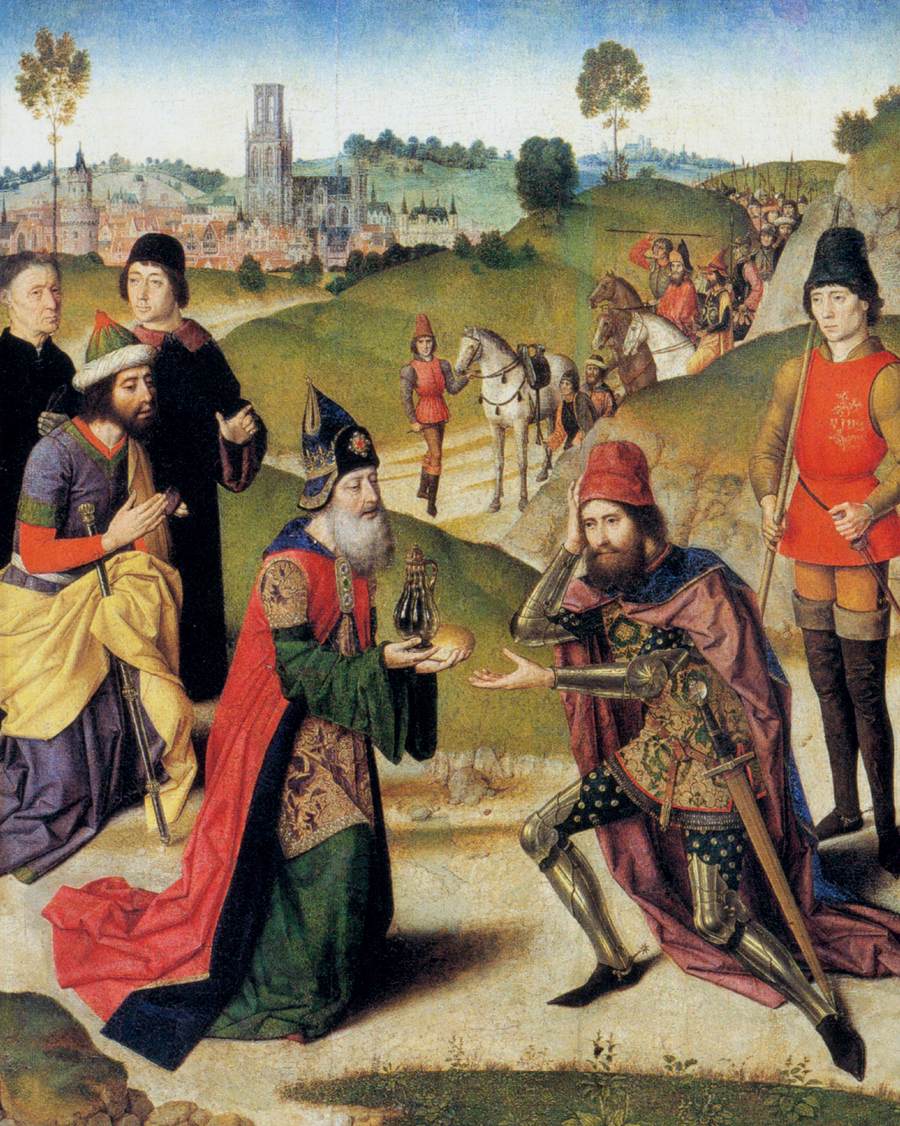
4. “The Meeting of Abraham and Melchizedek” by Dieric Bouts:
This biblical painting portrays the profound friendship between Abraham and Melchizedek, emphasizing loyalty, trust, and support.
Part of the celebrated Altarpiece of the Holy Sacrament (1464–67) in St. Peter’s Church, Leuven, this biblical painting by the Early Netherlandish master Dieric Bouts portrays the meeting of Abraham and Melchizedek. It’s an image of loyalty, trust and hospitality between allies — a reminder that in older traditions, friendship carried the weight of sacred duty. The stillness and dignity of the scene give the bond a quiet monumentality.
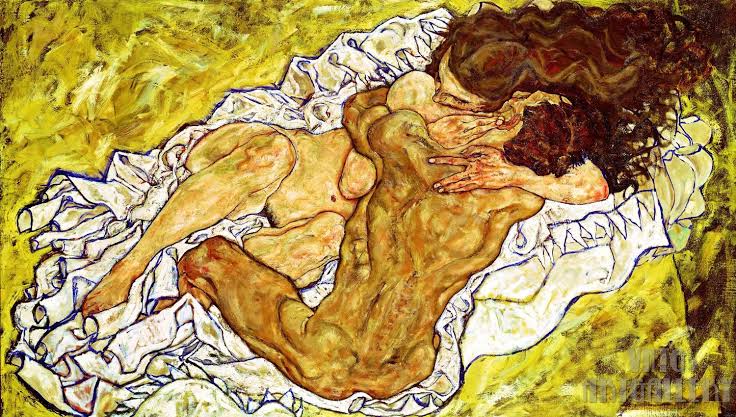
5. “The Embrace” by Egon Schiele:
This expressive artwork depicts an intimate embrace between two friends, showcasing the depth of emotional connection.
Painted in 1917 and now in the Belvedere in Vienna, Egon Schiele’s The Embrace is raw, tender and unmistakably human. Two figures cling to one another, and Schiele’s restless line turns the gesture into something urgent — closeness as need, comfort and refuge. Few works capture the emotional intensity of human connection as directly as this, which is exactly what earns it a place among the great artworks about friendship.
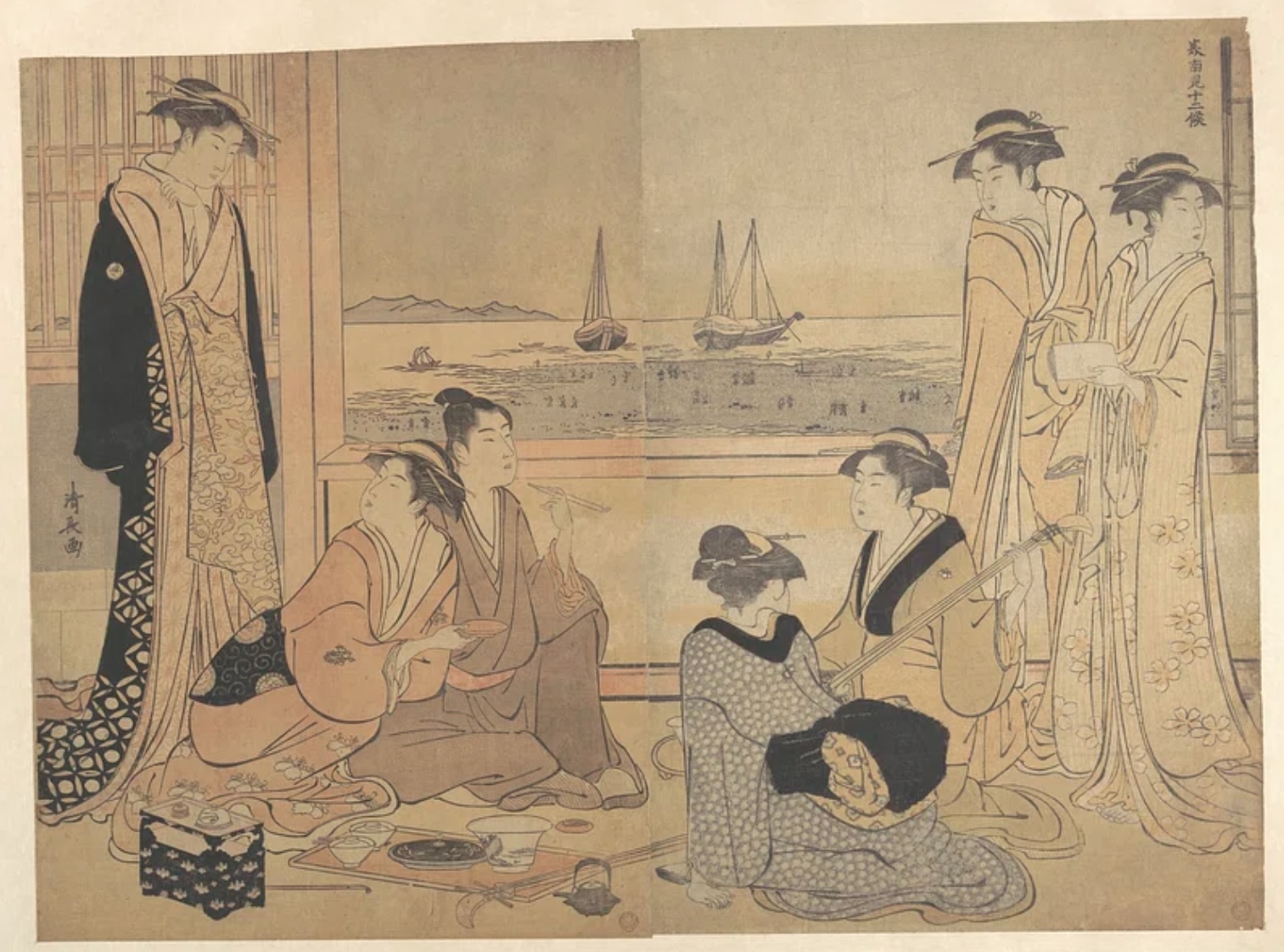
6. “The Tale of Genji: Murasaki and Her Friends” by Tsukioka Yoshitoshi:
This Japanese woodblock print from the ukiyo-e tradition portrays the camaraderie and leisurely interactions among women in the Heian period.
This Japanese woodblock print, drawn from the ukiyo-e tradition and inspired by the classic Tale of Genji, portrays the camaraderie and unhurried company of women in the Heian period. Yoshitoshi’s elegant lines and soft palette make companionship feel graceful and everyday — friends simply sharing a moment. It’s a lovely reminder that art about friendship belongs to every culture, not only the Western tradition.
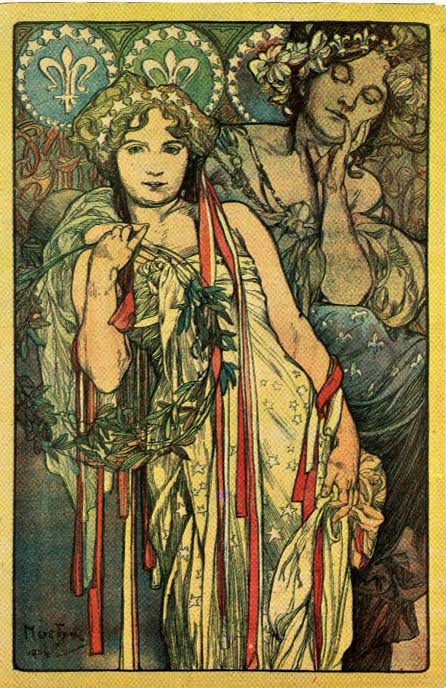
7. “The Friends” by Alphonse Mucha:
This Art Nouveau masterpiece features two women embracing, symbolizing the strong bond of friendship and mutual support.
An Art Nouveau vision from one of the movement’s defining artists, Mucha’s The Friends features two women embracing, their forms wrapped in his signature flowing lines and ornamental grace. The bond between them reads as warmth and mutual support, softened into something decorative and dreamlike. It’s friendship as beauty — gentle, protective and quietly devoted.
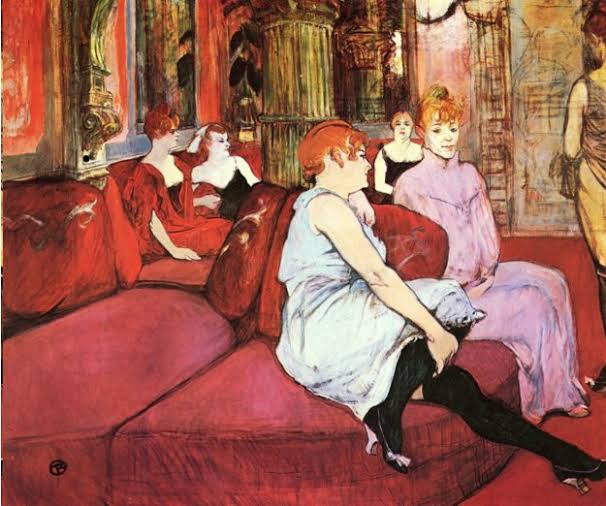
8. “Les Amis” by Henri de Toulouse-Lautrec:
This colorful painting captures a group of friends enjoying a meal together in a café, highlighting the joy of shared moments.
Les Amis captures a group of friends enjoying a meal together in a café — a scene Toulouse-Lautrec knew intimately from the nightlife of Montmartre. The colour is lively, the mood convivial, and the whole painting glows with the joy of shared moments. If you’re searching for a painting of friendship that feels sociable and alive rather than solemn, this is it: friendship as celebration.
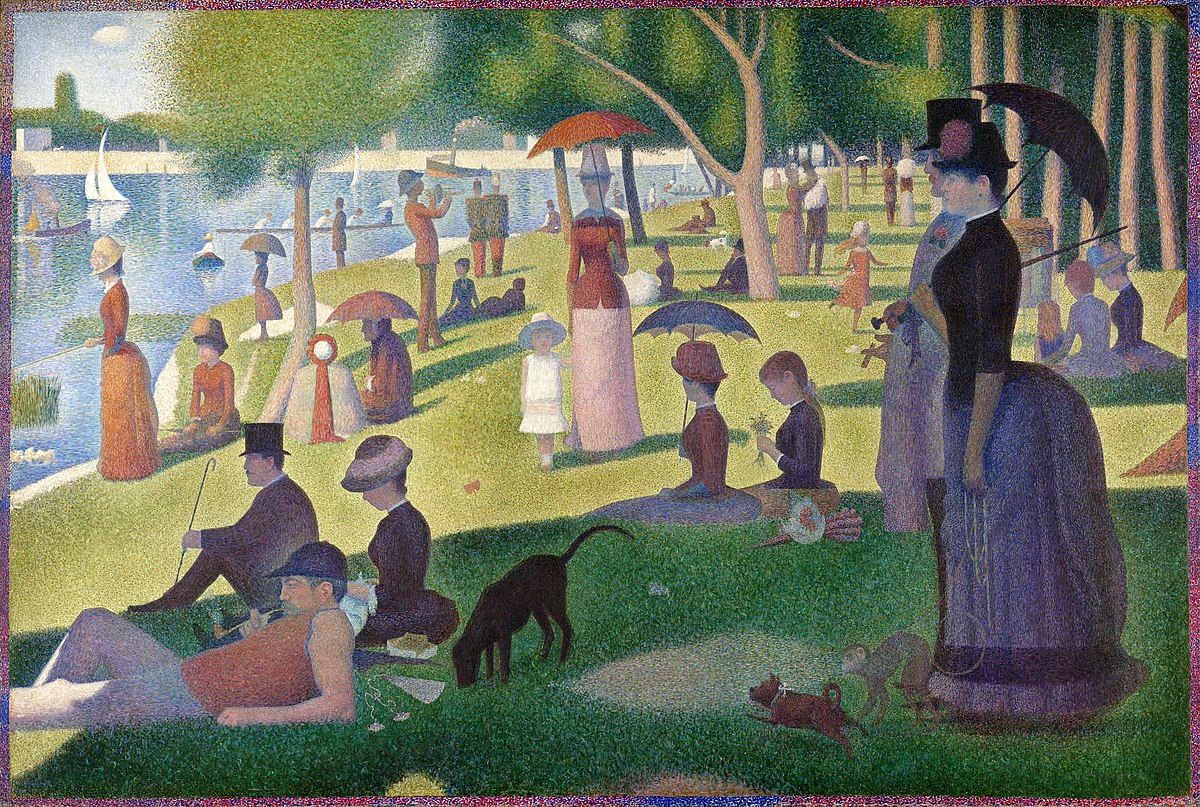
9. “A Sunday on La Grande Jatte” by Georges Seurat:
This iconic pointillist painting depicts a group of people enjoying a leisurely day in the park, showcasing the companionship and interactions among them.
Seurat’s monumental pointillist masterpiece (1884–86), now in the Art Institute of Chicago, shows Parisians relaxing together on the banks of the Seine. Built dot by painstaking dot, the painting depicts companionship on a grand, communal scale — families, couples and friends sharing a leisurely afternoon. It reminds us that friendship isn’t always intimate and one-to-one; sometimes it’s the simple pleasure of being among others.
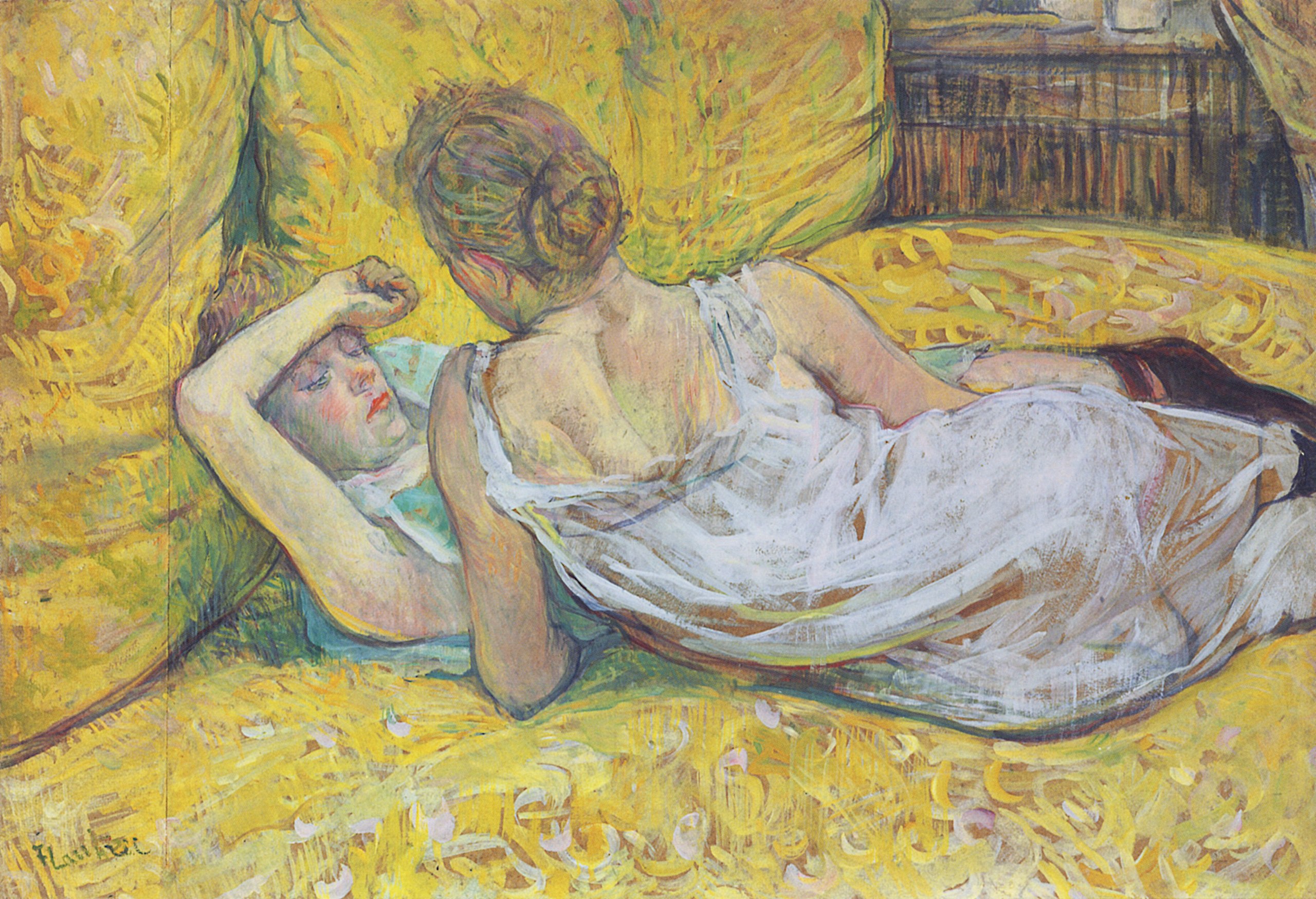
10. Lautrec Les Deux amies By Henri Marie Raymond de Toulouse-Lautrec-Monfa:
Painted in 1895, L’abandon (Les deux amies) is one of Henri de Toulouse-Lautrec’s masterpieces, vividly capturing an intimate, behind-the-scenes moment in the Parisian demi-monde in which he so notoriously had made his home.
Painted in 1895, L’Abandon (Les Deux Amies) is one of Toulouse-Lautrec’s masterpieces, vividly capturing an intimate, behind-the-scenes moment from the Parisian demi-monde in which the artist so notoriously made his home. Two friends rest together in a scene that is unguarded and deeply human. Where Les Amis shows friendship in public, this shows it in private — tender, tired and completely at ease.
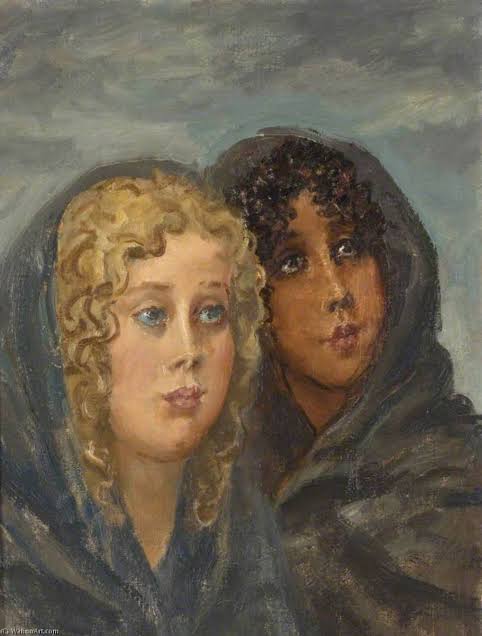
11. Two Friends” by Augustus Edwin John:
We close with Two Friends by Augustus Edwin John, one of Britain’s most celebrated portrait and figure painters. Known for his psychological sensitivity, John presents two figures whose closeness is expressed less through gesture than through mood and presence. It’s a fittingly quiet ending to the collection: a painting that trusts stillness to say everything about the bond between friends.
Famous friendships that shaped art history
Some of the most famous paintings of friends weren’t just about friendship — they were born from it. Across art history, deep bonds between artists shaped entire movements, and understanding those friendships adds another layer to the works above.
Vincent van Gogh and Paul Gauguin are perhaps the most famous friendship in art. The two lived and painted together in the Yellow House in Arles, pushing each other’s technique to new extremes before their relationship ended dramatically in December 1888. Van Gogh’s Self-Portrait Dedicated to Paul Gauguin remains one of the most moving tributes one artist has ever painted for another.
Pablo Picasso and Georges Braque invented Cubism side by side between 1908 and 1914, working so closely that their canvases from this period can be hard to tell apart. Braque once compared their partnership to being roped together like mountaineers — a perfect image of creative friendship.
Henri Matisse and Pablo Picasso shared a famous friendly rivalry that lasted decades. They admired, challenged and occasionally exasperated one another, and each openly credited the other with sharpening his own art. Their bond proved that friendship in art can thrive on difference as much as agreement.
If you’d like to go deeper into these creative bonds, Abir Pothi explores them further in our feature on artists and their friendships.
Why friendship endures as a subject in art
What unites every painting above — from a Renaissance allegory to a Montmartre café — is the belief that connection is worth immortalising. Art about friendship gives shape to something we all feel but rarely say aloud: that we are made larger by the people who stand beside us. That’s why these works still resonate centuries later, and why a painting of friendship remains one of the most heartfelt gifts you can share with someone who matters to you.
This Friendship Day, let these famous friendship paintings be your reminder to celebrate the friends who colour your world.
Frequently asked questions
What are the most famous paintings about friendship?
Some of the best-known paintings of friendship include Rubens’s The Three Graces, Egon Schiele’s The Embrace, Georges Seurat’s A Sunday on La Grande Jatte, Toulouse-Lautrec’s Les Amis and L’Abandon (Les Deux Amies), and Giorgione’s The Three Ages of Man.
Which famous artists were close friends?
Vincent van Gogh and Paul Gauguin, Pablo Picasso and Georges Braque, and Henri Matisse and Pablo Picasso are among the most famous friendships in art history — bonds that directly shaped their most important work.
What is a good painting to share on Friendship Day?
Warm, celebratory works such as Toulouse-Lautrec’s Les Amis or Alphonse Mucha’s The Friends make especially lovely choices for Friendship Day, as they capture the joy and closeness of companionship.
Why is friendship such a common theme in art?
Friendship is a universal human experience, so artists across every culture and era — from Japanese ukiyo-e prints to European oil paintings — have used it to explore loyalty, love, comfort and belonging.


